ATA Carnet errors - how to avoid them operationally
Good planning helps reduce delays at border touchpoints. ATA Carnet is typically used for temporary movement of goods, especially when items must return after use. Compare the goods list with the movement purpose and route before use.
Status
UK guidance checked; route requirements vary
Author
easyclearance.pl teamUpdated
15 October 2026
Quick definition
Good planning helps reduce delays at border touchpoints. ATA Carnet is typically used for temporary movement of goods, especially when items must return after use. Compare the goods list with the movement purpose and route before use.
Operational context
ATA Carnet is typically used for temporary movement of goods, especially when items must return after use. Good planning helps reduce delays at border touchpoints.
Need operational support?
Send the goods list and route; ask whether Easy Clearance can review the requested movement.
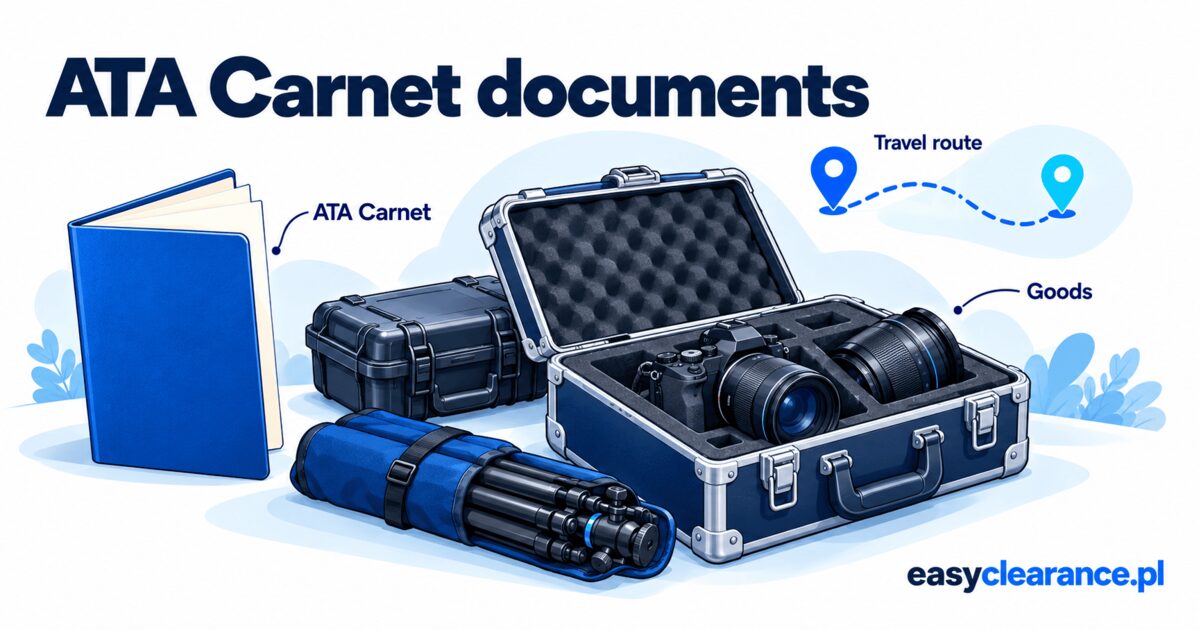
Compare the goods list with the movement purpose and route before use. Mismatches in model names, serial numbers or quantities can prompt corrections.
Before submission, check purpose, goods identification, representative authority and the return plan with the issuer and relevant customs authorities.
Checklist
- Define scope and purpose of temporary movement.
- Prepare complete goods list with identifiers.
- Align route, dates and return assumptions.
- Validate signatory authority and contact points.
Go to ATA service page · Contact now
What the current official guidance means in practice
For operational work, the current procedural rules, declaration fields and relief conditions should be checked directly against the official guidance. The linked HMRC pages cover UK procedures. For a PL-origin carnet, confirm the issuing process with the Polish Chamber of Commerce and the UK entry steps with the relevant authority.
Operational watch-outs
Unclear goods descriptions or inconsistent supporting records can prompt questions or delay. Confirm the required information for the goods and route with the issuer and customs authorities. Before shipment release, confirm who is responsible for clearance, whether the data set is complete and when the declaration must be filed.
Documents and data to prepare
Depending on the goods, route and procedure, the issuer or agent may ask for:
- a detailed goods description and commercial records where relevant
- package and quantity details where relevant
- classification and origin information for any related declaration, if required
- party identifiers and representative authority for any related declaration, if required
- an identifiable goods list, using serial numbers where available, and the temporary movement purpose
Practical notes for UK-PL operators
For regular flows, keep a stable data template: goods description, HS code, origin, Incoterms, carrier details and source documents. A consistent template can help the parties spot discrepancies before travel.
Official sources
For a PL-origin application, consult the Polish Chamber of Commerce carnet guidance.
- GOV.UK: apply for an ATA Carnet — GOV.UK / HMRC, reviewed 2026-10-15
- GOV.UK: how to use your ATA Carnet — GOV.UK / HMRC, reviewed 2026-10-15
Need help with clearance?
Ask whether Easy Clearance can review the goods list and route and what support is available.